AUTO INSPECTION TESTS
Full Dyno Test for 2x4 & 4x4 Vehicles
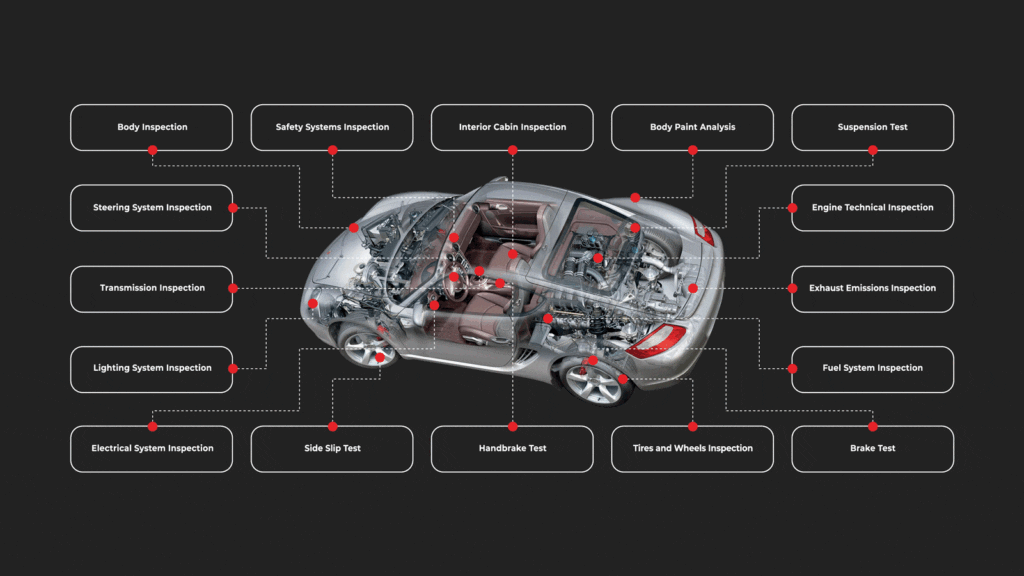
Full test simulates real driving conditions using a dynamometer (dyno), allowing the vehicle to be driven on rollers under different loads. It applies to all types of vehicles, from standard 2×4 cars to 4×4 and high-performance models. The dyno measures critical performance data such as horsepower, torque, engine output, and lost power. It also evaluates drivetrain efficiency, gearbox condition, and suspension behavior under stress. By replicating real-world driving forces, the test provides accurate and reliable results on the overall performance, durability, and safety of the vehicle.


Exhaust Emissions Test
This test measures the level of gases emitted by the vehicle to verify compliance with international environmental regulations. Using specialized equipment, the emissions are analyzed to identify pollutants such as carbon monoxide, hydrocarbons, and nitrogen oxides. The main goal is to ensure that the vehicle does not harm the environment or exceed legal emission limits. Beyond compliance, the test also provides valuable insights into engine efficiency, fuel combustion quality, and overall vehicle health.
Mechanical Test
The mechanical inspection is a deep evaluation of the vehicle’s key systems, including the engine, gearbox, suspension, steering, and braking systems. Fluids such as engine oil, transmission oil, and brake fluid are checked to identify leaks or contamination. The test also ensures that essential components are in good working order, helping prevent sudden breakdowns and improving safety. A detailed report is generated, giving the customer a clear overview of the mechanical condition of their vehicle.

Internal Engine Wear Test
This test is designed to detect the early stages of internal engine wear that cannot be seen from the outside. By adding special additives to the engine oil, microscopic wear particles are released from the surface of pistons, cylinders, and valves into the exhaust system. These traces are then analyzed to determine the extent of wear and tear inside the engine. It is a highly effective preventative test, helping car owners identify potential engine problems before they escalate into costly repairs.
Odometer Test
The odometer reading is carefully examined to confirm its accuracy and authenticity. Advanced tools and diagnostic systems are used to extract stored mileage data directly from the vehicle’s computer, comparing it against the odometer reading on the dashboard. This test helps detect any tampering or manipulation of the mileage, protecting buyers from fraud and ensuring the car’s value reflects its true usage history
Computer Diagnostic Scan for Faults Detection
Using advanced software and diagnostic computers, this test connects to the vehicle’s electronic control units (ECUs) to scan for error codes and malfunctions. It identifies faults across various systems, including engine, transmission, ABS, airbags, and electronic sensors. The diagnostic scan is one of the most precise tools for detecting issues that may not trigger a warning light yet. It helps ensure the vehicle runs smoothly and that hidden faults are addressed before causing major problems.
Paint, Body, and Chassis Test
This test examines the car’s exterior paintwork, body panels, and chassis for signs of repair, replacement, or structural damage. Using advanced tools like UV lights and thickness gauges, it can reveal hidden accidents, repainting, or welding work that may not be visible to the naked eye. For chassis, a structural assessment ensures that there are no distortions or weaknesses that could compromise safety. This test is particularly valuable when buying or selling a used vehicle, ensuring transparency and trust.
Engine Gas Leak Test
This advanced test checks for gas leaks from the combustion chamber into the cooling system. Specialized chemicals are used inside the radiator, which react when combustion gases are present in the coolant. This method helps detect leaks caused by damaged cylinder head gaskets, cracked cylinder heads, or other hidden faults. Early detection is critical, as undetected gas leaks can lead to engine overheating, performance loss, and serious long-term damage.
Starter, Alternator, and Battery Performance Test
The vehicle’s electrical system is thoroughly tested to confirm that the starter motor, alternator, and battery are operating efficiently. This ensures the car starts reliably, maintains steady power supply, and prevents sudden breakdowns caused by electrical failures. A weak alternator or failing battery can often go unnoticed until it’s too late, which is why this diagnostic is essential for maintaining uninterrupted vehicle performance.

Interior and Exterior Visual Technical Test
A full visual inspection is carried out, covering more than 200 critical points inside and outside the vehicle. This includes checking the condition of seats, belts, airbags, dashboard electronics, upholstery, lights, mirrors, tires, and external accessories. The aim is to identify visible damages, missing parts, or safety issues. This test ensures that the vehicle complies with safety standards and is ready for road use, offering peace of mind to owners and buyers.
Road Test
The road test is a practical driving test conducted by an expert technician to evaluate the vehicle’s performance under real-world conditions. It checks gearbox operation, acceleration, braking, balance, steering response, and suspension behavior on the road. This test helps detect faults that cannot be identified in static inspections, ensuring the car performs as expected during daily driving. It provides a true picture of how safe, reliable, and comfortable the vehicle is on the road.
Vehicle inspection is a fundamental process that ensures road safety and maintains the performance and reliability of vehicles. It goes beyond regulatory compliance it plays a crucial role in reducing accidents, protecting the environment, and optimizing vehicle efficiency.